

Why Managed IT Proposals & SOWs Slow Down Deals
Technology purchasing has become one of the most structured decision processes in modern B2B. Enterprise buyers rarely choose a platform based on a single conversation. Instead, they evaluate vendors through formal RFPs, technical validation, security reviews, and multi-department approval cycles.
The results of the 10th Annual Proposal Management Benchmark reveal how these realities shape proposal work inside IT and SaaS organizations. Response volumes continue to grow, deal values remain high, and proposals now play a central role in how revenue opportunities are evaluated and awarded.
That importance comes with pressure. Technology proposals often require input from engineering, product, security, pricing, and executive teams, turning each response into a coordinated effort across the organization. When workloads rise, even well-run teams can struggle to keep pace.
The trends below explore what this means for IT proposal teams and how leading organizations are adapting their processes to compete more effectively.
-
Proposal Volume Is High (and So Is the Effort Required)
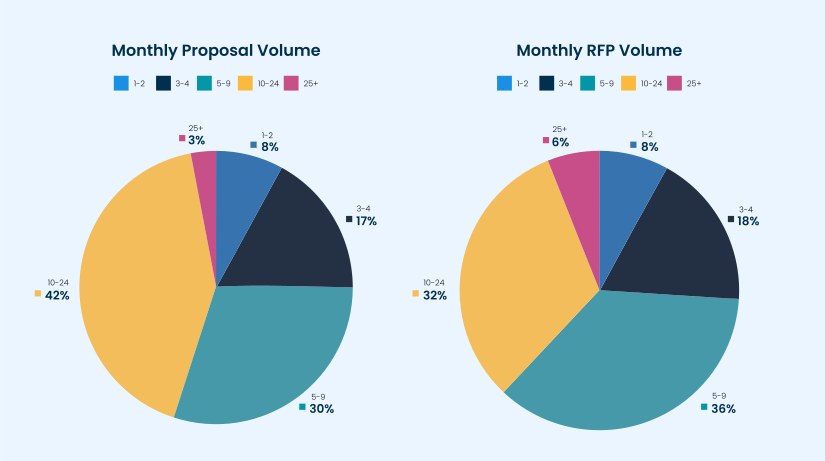
IT and SaaS teams report some of the most demanding proposal workloads in the survey. A rather significant 42% say their teams are handling between 10–24 proactive proposals per month. RFP activity is similarly heavy: 36% manage 5–9 responses monthly, while another 32% report handling 10–24.
Compared with other industries, IT and SaaS teams also report the longest timelines for completing requests. In total, 76% say responses take more than six days to complete, including 67% who report timelines of 6–10 days and 9% who say requests take 11 days or longer.
These longer timelines reflect the realities of enterprise technology purchasing. Decisions often involve formal procurement processes, security reviews, and multiple layers of technical validation. As a result, structured proposals and RFP responses tend to be more complex and resource-intensive.
Actionable Insight: Proposal demand in IT and SaaS should be treated as a structural part of the revenue engine, not a temporary surge in workload. Organizations should plan for sustained response volume by building scalable processes, shared content systems, and tools that reduce the manual effort required to coordinate complex responses.
-
RFPs Are a Major Gateway to Revenue
For IT and SaaS companies, proposals are not simply sales support documents. They are a primary path to winning new business.
Over half of respondents (55%) report that 50% or more of new business revenue comes from RFP wins, highlighting how central formal procurement has become in the technology sector.
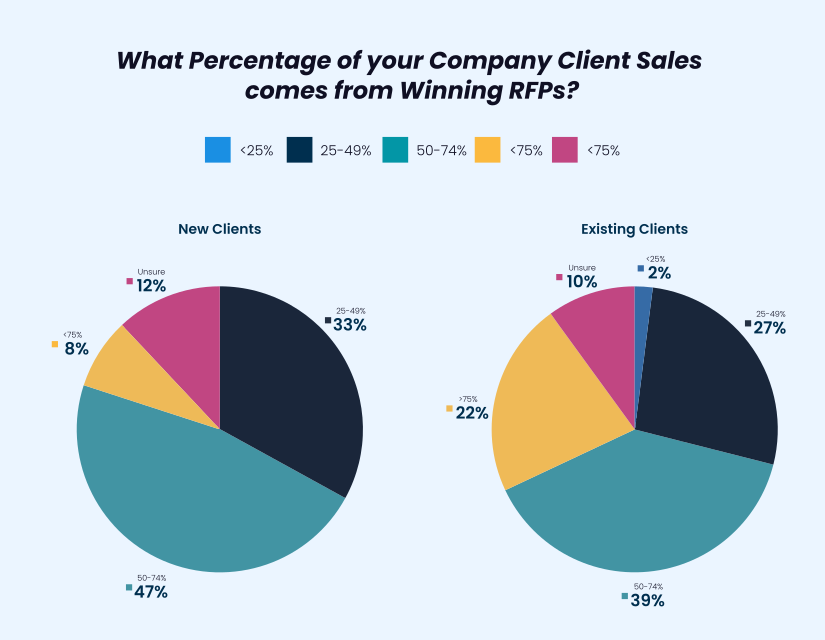
RFPs also play a significant role in expanding existing client relationships. In fact, a substantial 61% of respondents say that more than half of their existing-client sales stem from winning competitive RFPs.
This reliance on structured bids reflects how technology purchases are evaluated today. Enterprise buyers typically compare multiple vendors across product capabilities, integration requirements, pricing structures, security requirements, and implementation approaches. The proposal becomes the place where those differences are clearly documented and assessed.
Actionable Insight: When such a large share of revenue depends on RFP outcomes, proposals become a competitive differentiator rather than a documentation step. Organizations should ensure that pursuit strategy, solution positioning, and proposal development are closely aligned so that responses clearly communicate business value, not just technical compliance.
-
Deal Sizes Are Large and the Stakes Are High
Opportunity size amplifies the importance of every response. A full 61% of IT and SaaS respondents report average RFP opportunity values of $1-$5 million, with an additional 8% over $5 million.
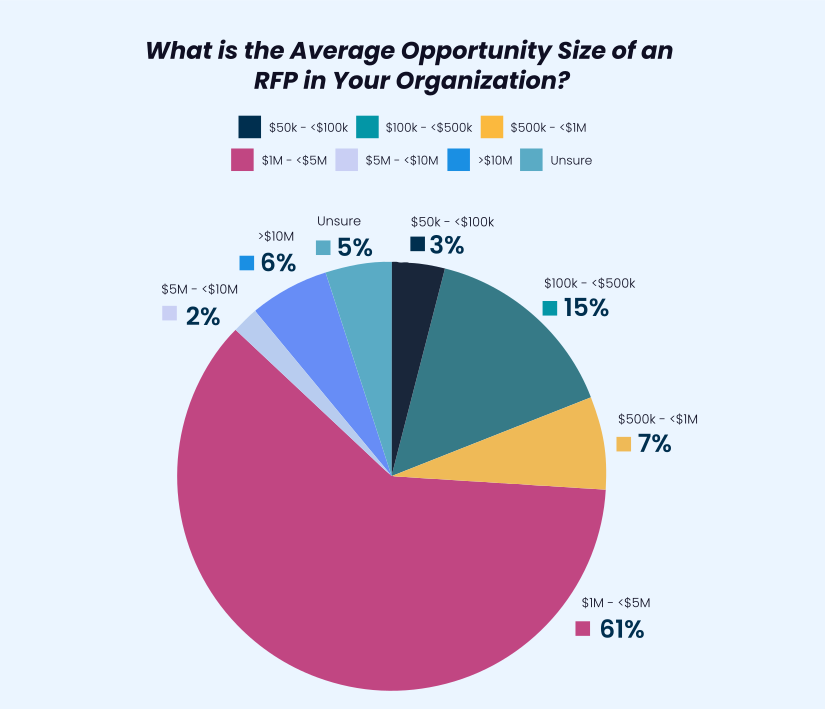
Large deal values mean that each proposal carries real financial weight. Winning or losing a single response can materially affect quarterly revenue.
It also changes how teams approach the work. High-value pursuits demand extensive customization, technical validation, and internal review before submission.
Actionable Insight: When opportunity sizes reach seven figures, proposal execution becomes a revenue risk management function. Teams should implement structured review processes and governance to ensure that high-value pursuits receive the appropriate attention and resources.
-
Capacity Constraints Are Limiting Opportunity Coverage
Even as proposal demand rises and opportunity values grow, many organizations are unable to respond to every RFP they receive.
According to the benchmark, respondents from across all industries report missing at least some portion of incoming requests due to time constraints or limited resources. The largest group of respondents (48%) say they are unable to respond to 10–19% of RFPs, while another 22% miss 20–29% of requests.
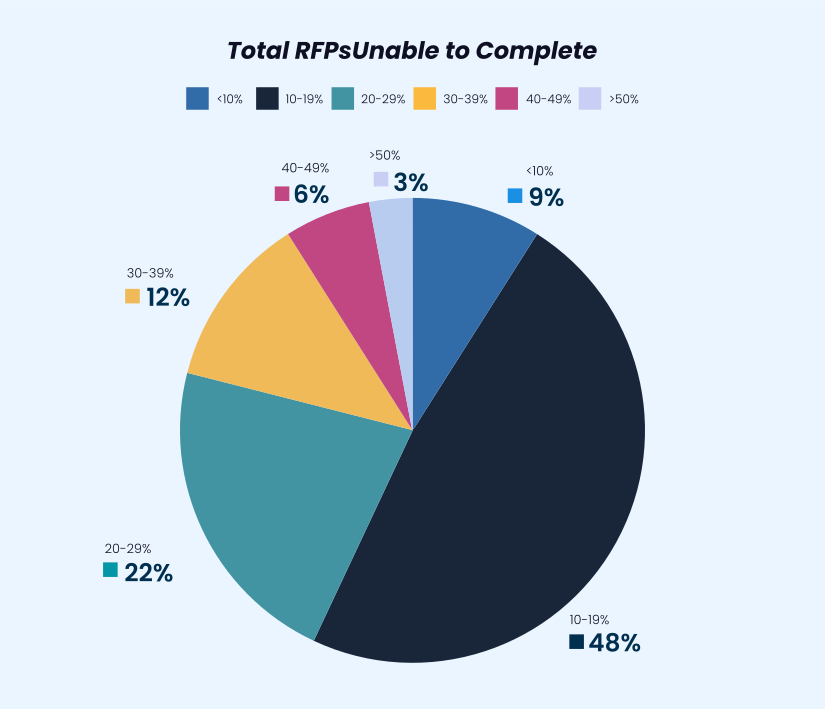
While each missed response does not represent a guaranteed loss, the scale of the exposure can become significant. For IT and SaaS organizations, the stakes are particularly high because deal values tend to be large. Nearly seven in ten respondents report average RFP values of $1M or more.
When opportunities are measured at that scale, even a small number of missed responses can represent substantial revenue exposure. Missing just one viable RFP per month could mean leaving millions of dollars in potential annual pipeline untouched.
Actionable Insight: Capacity planning should be treated as a strategic revenue issue rather than an operational afterthought. Organizations benefit from clear bid/no-bid criteria, better visibility into workload distribution, and processes that allow teams to respond consistently without overextending resources.
-
SME Coordination Is the Biggest Operational Bottleneck
IT and SaaS proposals often require input from product managers, engineers, security specialists, finance teams, and executive leadership. Coordinating that expertise is one of the most persistent challenges teams face. Among IT and SaaS respondents:
- 51% report difficulty getting subject matter experts to deliver input on time
- 50% say they lack sufficient resources to handle request volume
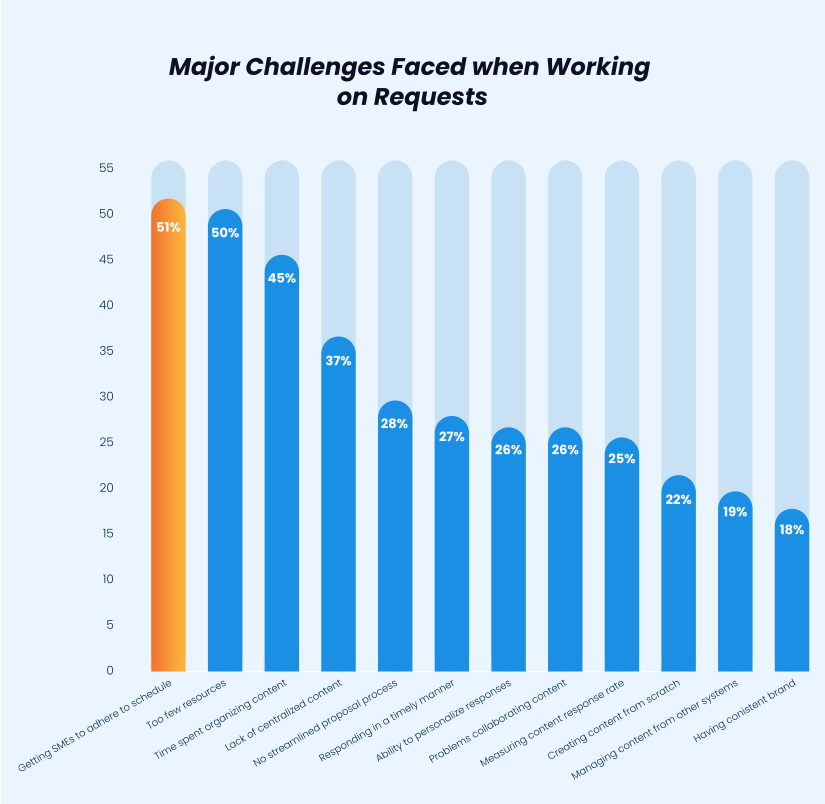
These challenges mirror broader industry findings. Across the full survey population, 48% cite delays from subject matter experts as the single biggest proposal challenge.The complexity of technology solutions makes this issue particularly acute. Product architecture, compliance requirements, integrations, and implementation plans all require detailed validation from internal experts.
Actionable Insight: Proposal leaders should reduce reliance on ad-hoc SME input by capturing reusable knowledge in structured content systems. When expertise is documented and accessible, teams spend less time chasing answers and more time refining responses.
-
Large Contributor Networks Add Coordination Complexity
IT and SaaS proposal teams often operate as large, cross-functional groups.
Only 2% of respondents report involving five or fewer contributors in their response process. At the other end of the spectrum:
- 31% involve 11-15
- 21% involve 6-10
- 18% report participation from 31-40 stakeholders
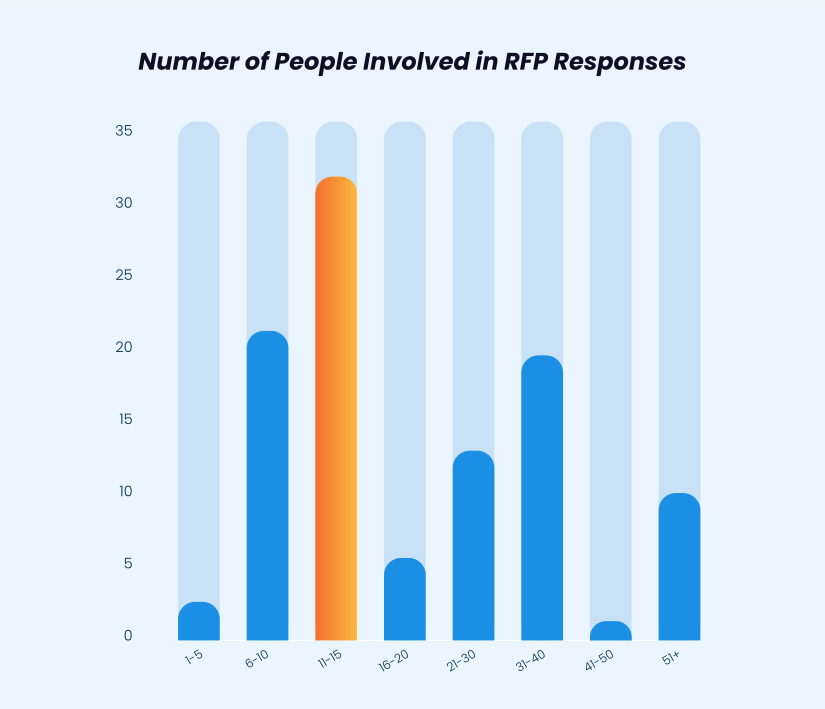
These numbers highlight the collaborative nature of enterprise technology pursuits. Product teams, engineering leaders, security specialists, pricing analysts, and executives frequently participate in proposal development.The survey confirms that coordination, not writing, has become the limiting factor in proposal work. As contributor counts rise, timelines expand and the effort required to align inputs increases.
Actionable Insight: When response teams reach double-digit contributor counts, informal workflows break down. Clear ownership, structured review cycles, and shared visibility across contributors are essential to keeping responses on track.
-
Traditional Tools Are Still Carrying the Workload
Despite increasing complexity, most IT and SaaS teams still rely on traditional productivity tools to produce proposals. Among respondents:
- 60% use Microsoft Word as their primary application
- 15% rely on web-based tools
- 11% primarily use Excel
- 5% rely on PowerPoint
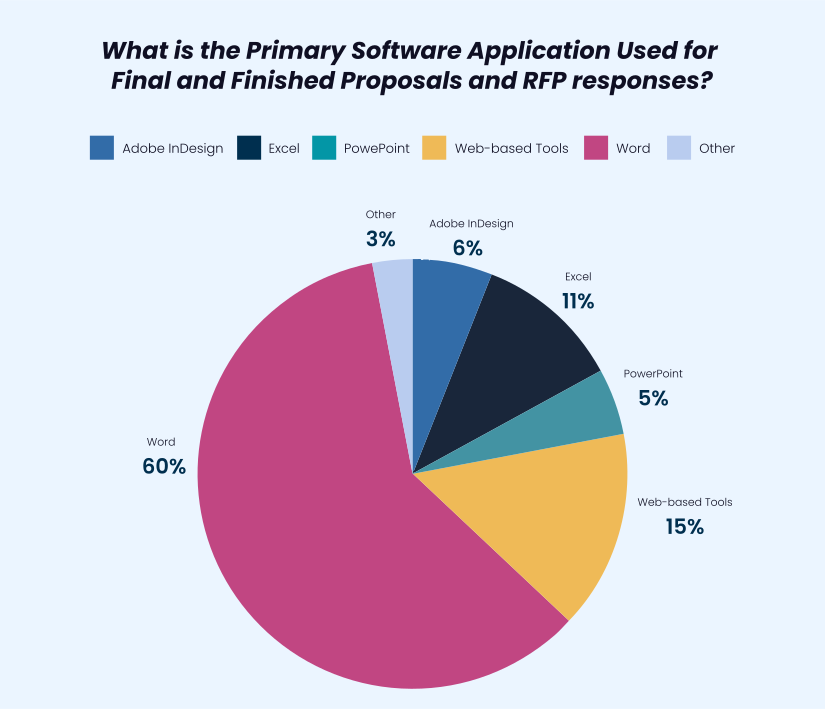
Across all industries, 53% of respondents say Word is their primary proposal creation tool, with PowerPoint and Excel playing smaller roles.While these tools are effective for creating documents, they were not designed to coordinate large response teams or manage complex proposal content.
Actionable Insight: Organizations should evaluate whether their tools support collaboration, content governance, and reuse at scale. As proposal volumes rise, relying solely on document-centric workflows can create coordination bottlenecks.
What This Means for IT Proposal Leaders
The benchmark data paints a clear picture of the IT and SaaS proposal environment.
Demand is rising. Opportunity sizes are large. Revenue increasingly depends on structured bids and RFP responses.
At the same time, operational pressure continues to build. Proposal teams must coordinate large contributor networks, manage complex content, and respond quickly to high-stakes opportunities.
The organizations that succeed will be those that treat proposal work as a strategic capability rather than an administrative task. When systems, processes, and collaboration models evolve alongside demand, proposal teams can scale their impact without burning out the people responsible for delivering it.
Want the Full Data Behind these Trends?
Download the 10th Annual Proposal Management Benchmark to explore detailed research on proposal volumes, win rates, team structures, and operational challenges.
If you'd like to see how proposal automation can help your team respond faster and more consistently, contact QorusDocs and let’s start a conversation.