What is a proposal template?
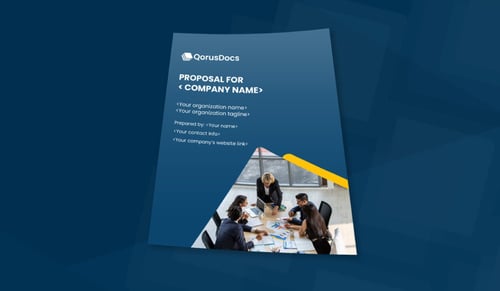
A proposal template is a pre-built document that provides a consistent structure for creating business proposals. It typically includes sections such as an executive summary, project scope, pricing, timelines, team qualifications, and terms and conditions. Using proposal templates helps organizations create professional, accurate proposals more efficiently while maintaining consistent branding and messaging.
What should a proposal template include?
Most proposal templates include:
- Cover page
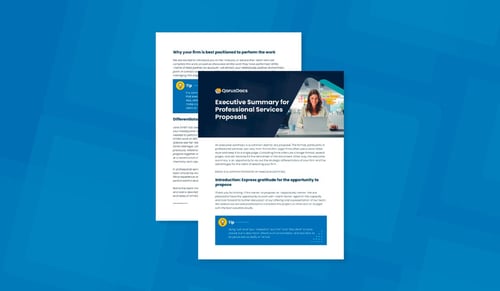
- Executive summary
- Client challenges
- Proposed solution
- Scope of work
- Deliverables
- Timeline
- Team experience
- Relevant case studies
- Pricing or fee schedule
- Terms and conditions
- Call to action or next steps
The exact structure may vary depending on your industry and the complexity of the opportunity.
Why are proposal templates important?
Proposal templates help organizations save time, improve consistency, and reduce errors by providing a standardized framework for proposal creation. They also make it easier for teams to follow brand guidelines, reuse approved content, and respond more quickly to client opportunities.
How do proposal templates improve proposal quality?
Well-designed proposal templates ensure every proposal follows best practices and includes the information buyers expect. Standardized content reduces omissions, improves readability, and helps teams present a more professional, consistent experience across every proposal.
What's the difference between a proposal template and proposal software?
A proposal template is typically a static document that serves as a starting point for creating proposals. Proposal software goes further by helping teams automatically personalize content, insert approved case studies, manage reusable content, collaborate on responses, and generate proposals using AI—all while working within familiar tools like Microsoft Word and Microsoft 365.
Can AI create proposal templates?
Yes. AI can help generate proposal outlines, draft first-pass content, recommend relevant sections, and personalize proposals for specific clients or industries. Combined with proposal management software, AI can significantly reduce the time spent creating proposals while maintaining consistency and accuracy.
Are proposal templates customizable?
Yes. Proposal templates should be customized to reflect your organization's branding, services, messaging, and industry requirements. Many organizations also create multiple templates for different industries, proposal types, or customer segments.
How often should proposal templates be updated?
Proposal templates should be reviewed regularly to ensure they reflect current branding, service offerings, pricing models, compliance requirements, and customer expectations. Many organizations update templates whenever major products, messaging, or regulations change.
What's the difference between a proposal template and an RFP response template?
A proposal template is designed for general business proposals and sales opportunities, while an RFP response template is structured to answer formal procurement requirements. RFP templates often include compliance matrices, question-and-answer sections, mandatory forms, and detailed response requirements.
What industries use proposal templates?
Proposal templates are widely used across industries including:
- Professional services
- Legal
- Architecture, engineering, and construction (AEC)
- IT and technology
- Financial services
- Healthcare
- Government contracting
- Manufacturing
- Consulting
Any organization that regularly responds to business opportunities can benefit from standardized proposal templates.
Can proposal templates help teams respond faster?
Yes. Proposal templates reduce repetitive work by providing pre-approved content and a consistent structure. Teams spend less time formatting documents or recreating common sections and more time tailoring proposals to each client's needs.
How do proposal templates support brand consistency?
Templates help ensure that every proposal uses approved messaging, branding, formatting, and visual identity. This creates a more professional experience for buyers and reduces inconsistencies across teams or regions.
Can proposal templates work with Microsoft Word?
Yes. Many organizations use Microsoft Word as their primary proposal authoring tool. Modern proposal management solutions can enhance Word templates by automatically inserting approved content, client information, images, and branding while allowing users to continue working in a familiar environment.
What makes a good proposal template?
A strong proposal template should be:
- Easy to customize
- Professionally designed
- Aligned with your brand
- Structured around buyer needs
- Flexible for different opportunity types
- Easy for teams to collaborate on
- Supported by approved, up-to-date content
The best templates help teams create personalized proposals quickly without sacrificing quality or consistency.
When should organizations move beyond static proposal templates?
As proposal volumes increase, many organizations outgrow manual templates. If your team spends significant time searching for content, updating documents, managing multiple versions, or personalizing proposals by hand, proposal management software can streamline the entire process with centralized content, AI-assisted drafting, collaboration, and automation.

/featured_Image_bio-Templates.webp?width=500&name=featured_Image_bio-Templates.webp)
/proposal%20and%20sow%20templates.webp?width=500&name=proposal%20and%20sow%20templates.webp)
/featured_Image_IT-templates.jpg?width=500&name=featured_Image_IT-templates.jpg)