What is AEC proposal software?
AEC proposal software helps architecture, engineering, and construction firms respond to SOQs, RFPs, and fee proposals faster and more consistently. The best platforms automate the most time-consuming work, pulling relevant project experience, resumes, and qualifications from a central library and assembling them into polished, compliant submissions. QorusDocs goes further by using QPilot agents to handle content assembly, formatting, and collaboration directly inside Microsoft 365, so seller-doers and BD teams spend less time on document production and more time on the strategy that wins.
How is QorusDocs different from other AEC proposal tools?
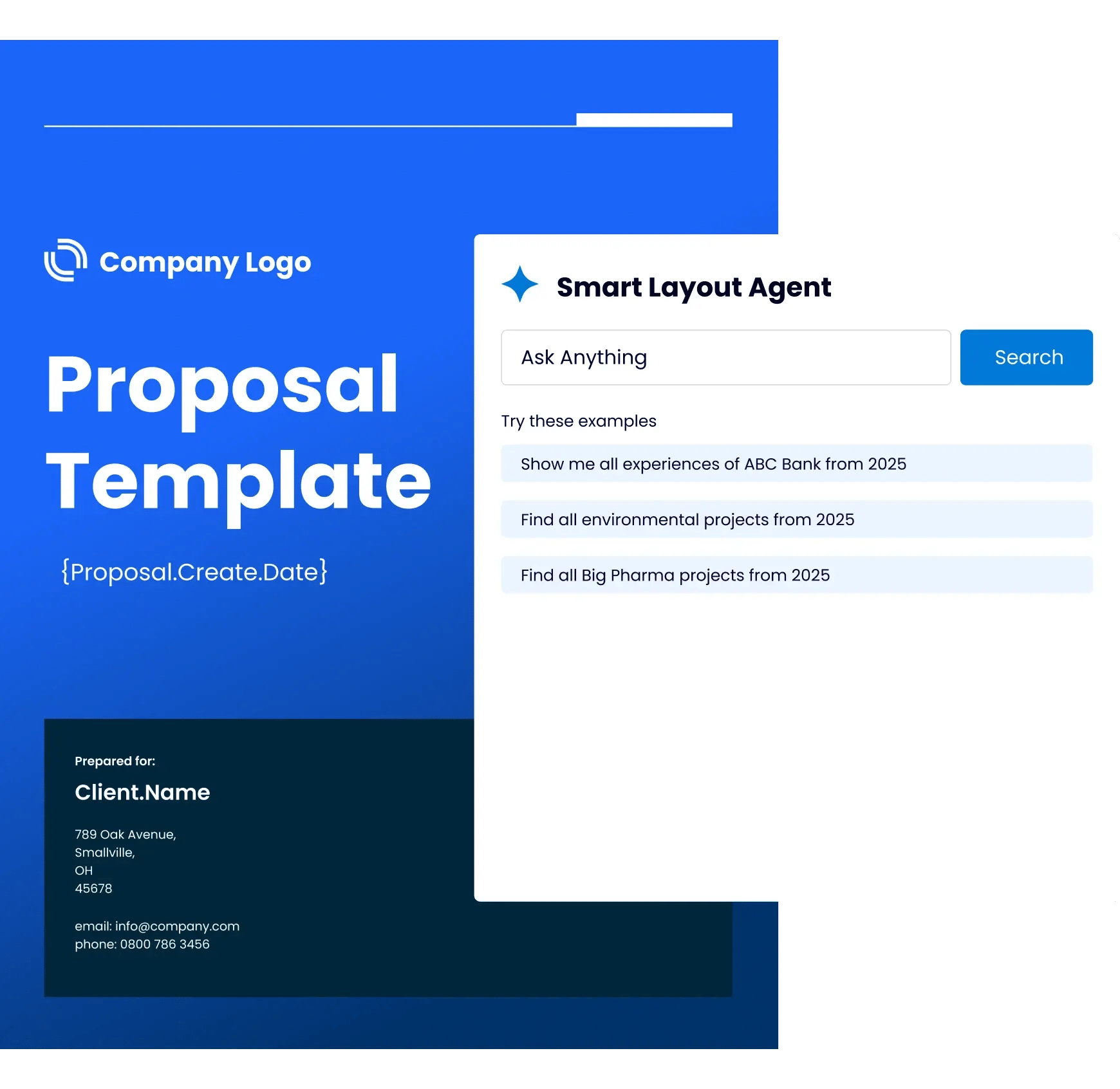
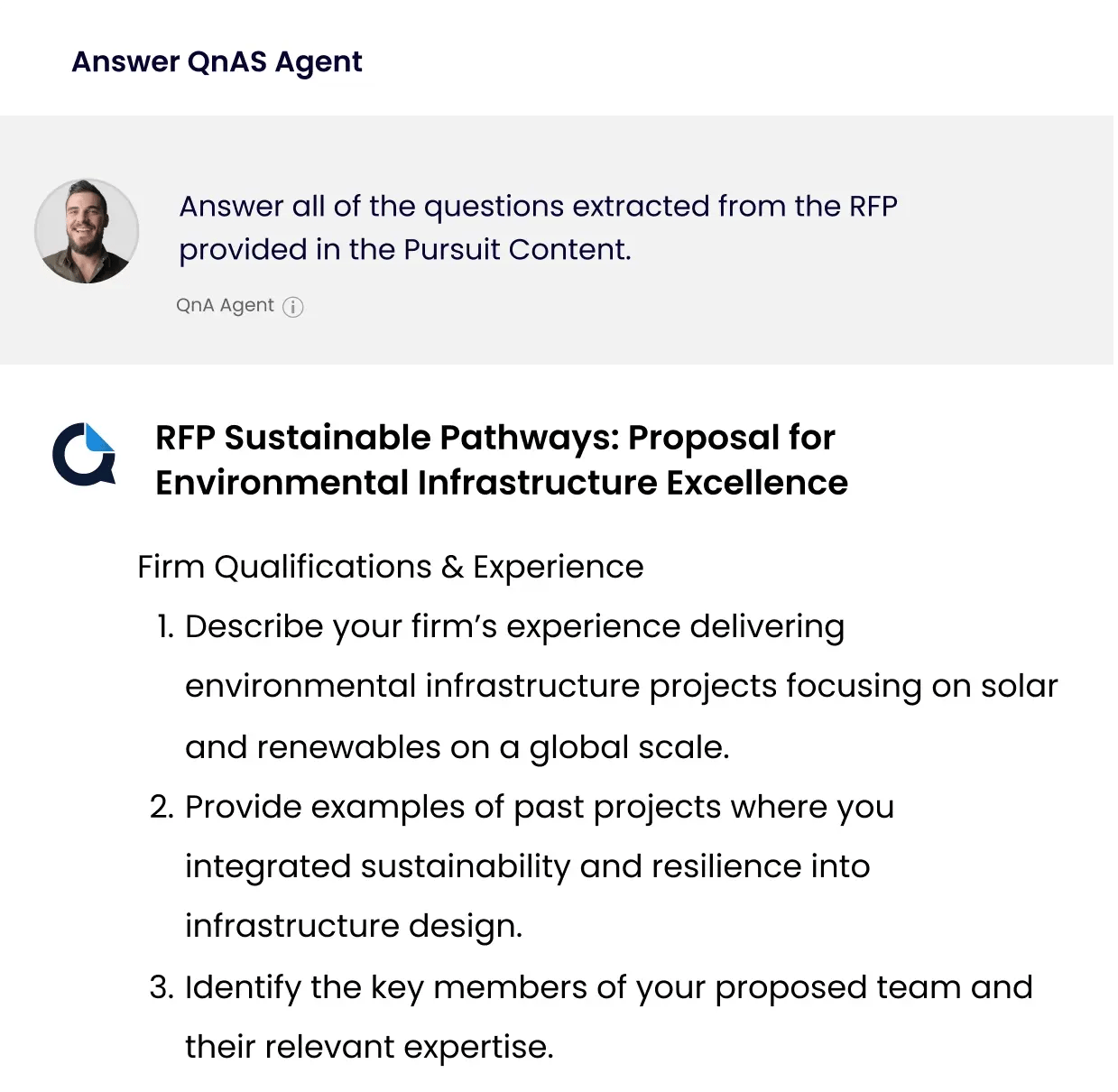
Most tools give AEC teams a content library and a document builder. QorusDocs uses intelligent agents to handle the repetitive work automatically, from summarizing RFP requirements and surfacing relevant project sheets through to formatting and final output in Word and PowerPoint. Templates and workflows are built around AEC terminology and pursuit processes, so teams work in a familiar language from day one. And because the output lives natively in Microsoft 365, there is no exporting or reformatting before it reaches the client.
How does QorusDocs help seller-doers who are stretched across delivery and pursuits?
Seller-doers are pulled in two directions: delivering billable work and winning the next project. QorusDocs reduces the pursuit burden by automating the content assembly work that typically falls on technical staff. QPilot agents draft first versions of resumes, project descriptions, and qualifications sections so seller-doers review and refine rather than create from scratch. The time savings are real: AEC firms using QorusDocs report a 60% increase in proposal team productivity after centralizing content.
What types of AEC pursuit documents does QorusDocs support?
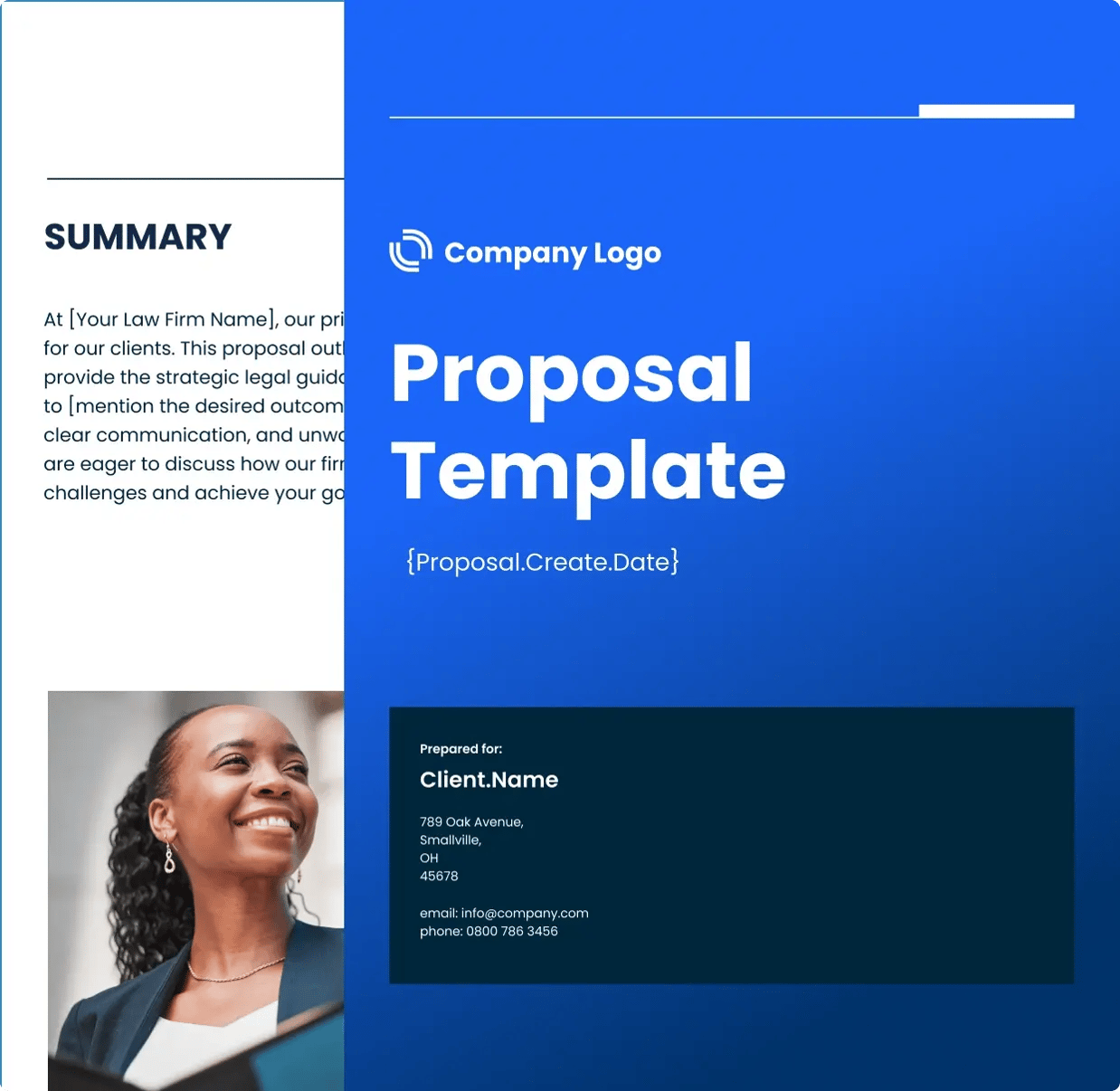
QorusDocs supports the full range of pursuit documents AEC firms produce, including RFP responses, fee proposals, fee letters, capability statements, and executive presentations. Templates and workflows are tailored to AEC requirements rather than repurposed from a generic sales tool, so the terminology, structure, and content expectations match how the industry pursues and wins work.
How does QorusDocs handle compliance and qualification requirements in AEC submissions?
Compliance failure is one of the fastest ways to lose a pursuit regardless of a firm's actual qualifications. QorusDocs helps teams stay compliant by extracting RFP requirements at the start of the pursuit, flagging missing sections, and ensuring the right content is in the right place before submission. Role-based permissions and approval workflows control what content reaches the client, so teams are not relying on manual checks under deadline pressure.
How does QorusDocs manage project experience and resumes at scale?
QorusDocs provides a centralized content hub where project sheets, resumes, credentials, and past proposal content are stored, maintained, and surfaced automatically when relevant to a pursuit. QPilot agents pull the most relevant experience for each opportunity and insert it into the right places in the document without manual searching. For firms managing a growing pursuit volume across multiple offices, disciplines, or joint venture partners, this single source of truth is what makes consistent, high-quality submissions achievable at scale.
How does collaboration work across offices, disciplines, and joint venture partners?
The Pursuits workspace brings tasks, deadlines, content, and contributors together in one place inside Microsoft 365. QPilot agents assign sections, automate reminders, and track progress so proposal managers are not chasing input manually across offices and time zones. For joint ventures or multi-discipline teams, shared access to a governed content library means every contributor is working from the same approved material, reducing version conflicts and last-minute rework.
Is QorusDocs secure enough for sensitive project and client data?
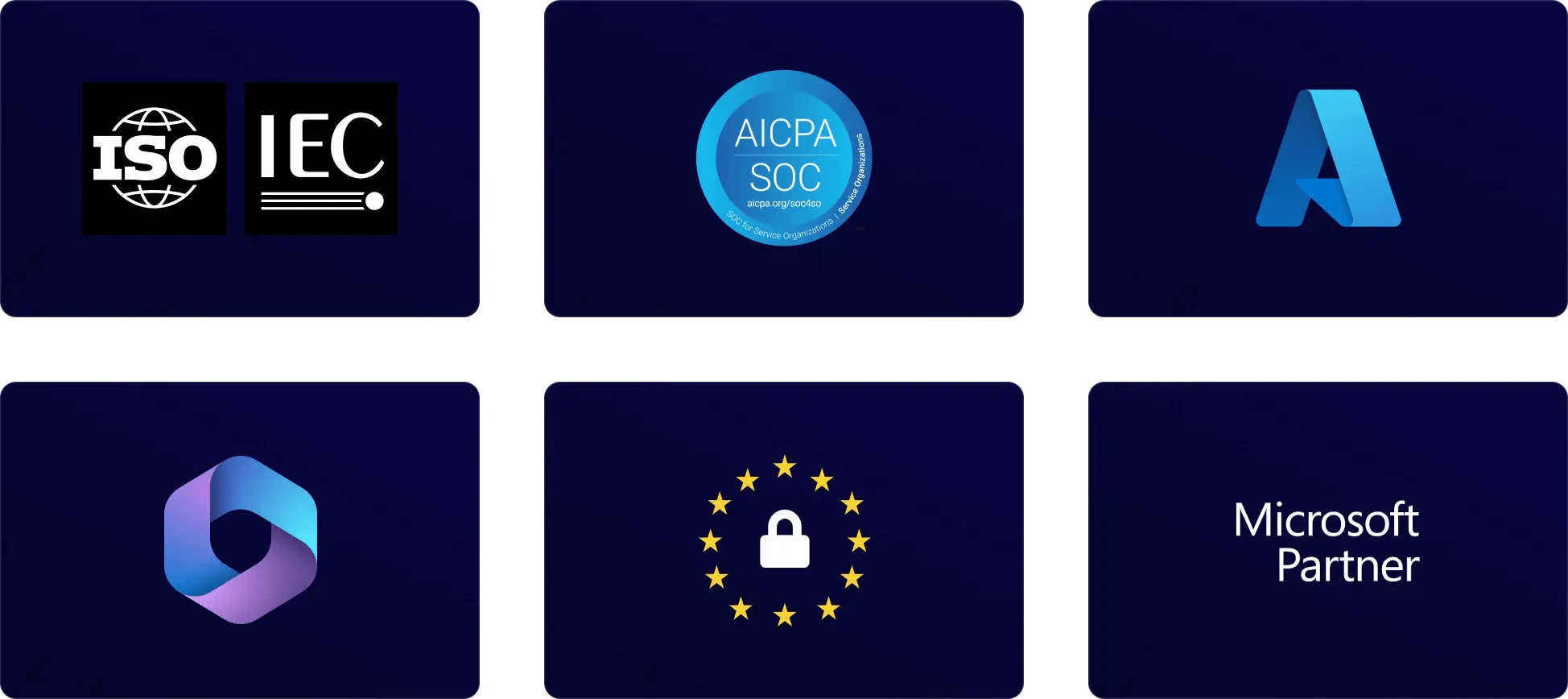
Yes. QorusDocs is built on Microsoft Azure OpenAI and is SOC 2 Type II and GDPR compliant. Project data, client information, and firm IP stay inside your secure Microsoft 365 environment and are never used to train public AI models. Role-based permissions control access at every level, and approval workflows ensure that sensitive content only reaches the right people. For AEC firms working on government, infrastructure, or confidential private sector projects, this governance architecture is a meaningful distinction from general-purpose AI tools.